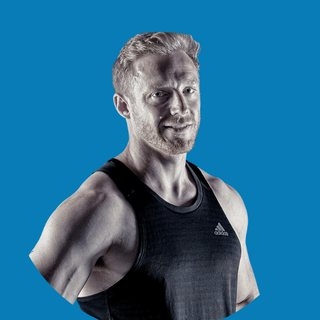
I'm Russell Jones-Walker and I lead Pilates Guy, a studio and online platform where I teach Pilates instruction across the UK and beyond. I deliver tailored, accountable coaching to help clients build strength, flexibility, and movement confidence.
You'll find me sharing exercise tips, tutorials and movement education across Instagram, YouTube and Facebook. Besides one-to-one sessions, I also run small group classes, workshops and online programmes, aimed at helping people improve posture, manage back pain and develop sustainable movement habits.
I've always believed in the transformative power of mindful movement. Over years of training and seeing clients progress, I wanted a way to reach more people, not just locally but through online formats. So I built Pilates Guy to deliver tailored coaching whether clients are in the studio or following me online. The goal was to combine real instruction, not cookie-cutter videos, with personal connection and education.
Initially, I taught in local studios and private settings, building a base of clients who saw improvements in posture, pain, and mobility. As demand grew, I created an online site with class bookings, video content and resources for clients to follow between sessions. I began posting movement breakdowns and mini-tutorials on social media to attract people who might not yet know Pilates, but are looking for help with pain or strength.
Differentiating from generic online Pilates: People often viewed videos as interchangeable. To solve that, I emphasised close form cues, progression plans, and feedback via video check-ins. I also added free "mini assessments" on movement to help people see what work they needed first, this helped justify deeper programmes.
Building retention beyond feeling "better": Clients may drop once they feel improved. I created follow-up programmes and "maintenance movement" plans to keep them engaged. I also scheduled periodic check-in calls to tweak programmes and sustain accountability.
While my studio work remains local, much of my growth comes from online clients, especially those who want form feedback, modifications, and coaching over distance.
My YouTube channel, Instagram and movement content act as funnels: someone watches a tutorial, then requests an assessment or joins a programme. I also run small group workshops in different towns to increase visibility.
If starting again, I'd build structured feedback systems sooner with surveys and video check-in forms. I'd produce more content earlier with tutorials and movement libraries. I'd also create a clearer pricing ladder from day one (beginner, maintenance, premium) to avoid confusion and upgrade friction.
I plan to launch a structured membership with a movement library, regular live clinics, and progress coaching tiers. I'll expand workshops in towns around my base so more people experience my teaching in person. I'll deepen my presence on YouTube and Instagram with longer education content, mini series and challenges.
I also want to collaborate with physios, gyms and wellness centres so Pilates Guy becomes a recommended movement resource in broader health settings.
Pilates Guy stands out by focusing on you as an individual. Instead of generic routines, you get a proper assessment of your movement patterns. Russell provides personalised feedback and corrections through video check-ins, ensuring you perform exercises correctly and safely. The goal is to build sustainable habits and educate you on the 'why' behind each movement, not just the 'how'.
Absolutely. The programmes are specifically designed to help people improve posture and manage back pain. By focusing on tailored coaching and accountable instruction, the sessions aim to build your strength, flexibility, and overall movement confidence, addressing the root causes of common discomforts.
Yes, that's a core part of the service. Online clients receive detailed form feedback, specific modifications for their needs, and dedicated coaching over distance. Features like video check-ins with direct cueing and corrections ensure you get personalised attention and accountability, no matter where you are.
He suggests starting by solving a genuine problem for clients, like back pain, rather than just offering a general service. Building trust through free, valuable content is also key. He learned the importance of creating feedback systems early on, a lesson that can help any founder on a platform like Fearless build a stronger, more client-focused business from the start.