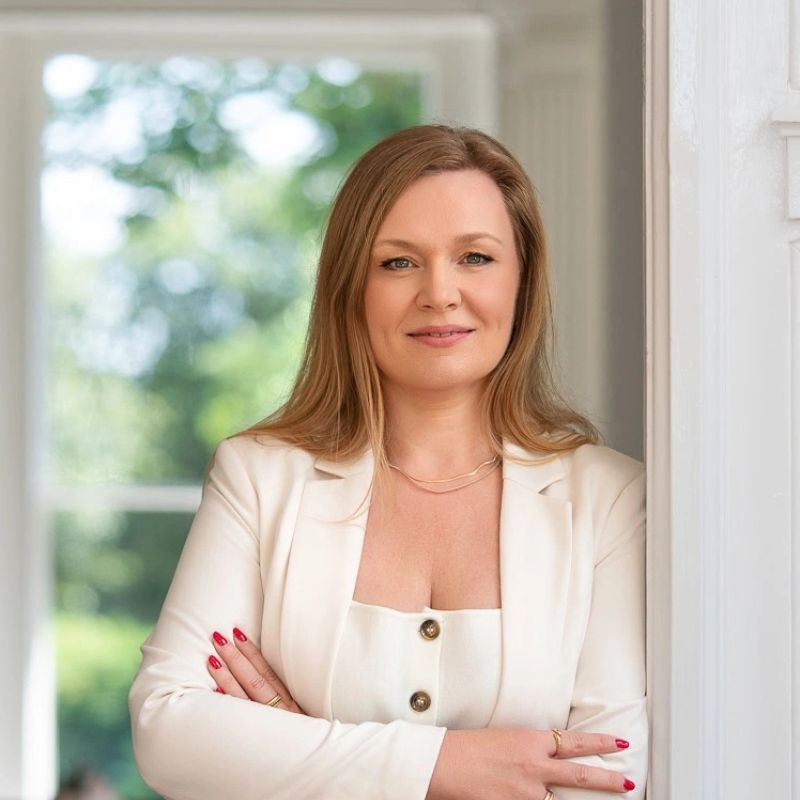
I'm Annie Frederick, founder of The Athletes House, a specialist agency focused on sponsorship, marketing, and representation for athletes, especially those whose voices are less represented or uniquely framed. We help athletes navigate contracts, partnerships, media, logistics, and brand strategy so their career is sustainable, authentic and respected.
At The Athletes House we don't use a one-size-fits-all approach. We design bespoke management, communication, and campaign paths, with particular attention to neurodivergent athletes or those whose needs around environment, sensory load or communication style are different.
My background is in sports physiology and endurance sport (including Ironman), and I've long observed how athletes, especially those with neurodivergence, are underserved by conventional representation models. I saw people left out, contracts misunderstood, environments poorly adjusted.
I founded The Athletes House to bridge that gap: to give athletes the clarity, trust and tailored support that many agents or marketing firms don't provide. I also believe that being neurodivergent is not a barrier, it gives a unique lens to communication, systems design, and relationship-building.
The Gap I Saw in the Athlete Representation Market
The sports agency industry uses standardized approaches and templates, but I noticed something essential missing: representation that understands and accommodates the unique needs of neurodivergent athletes and those with different communication or sensory profiles. Many athletes were experiencing:
I wanted to create an agency that bridges these gaps, providing bespoke, neurodivergent-aware representation that prioritises clarity, trust and authentic athlete voices.
My early steps involved working directly with a few athletes, helping them parse contracts, craft their branding, and manage media or logistic challenges. I applied my physiology training to understand athletes' pressures and demands, then learned sponsorship, marketing and agency dynamics alongside.
I also leaned into my own lived experience: as someone neurodivergent, I understood how confusing communication, sensory overload, and unclear processes can become. That insight shaped how I structure deals, brief partners, and manage workflows.
My core service offerings include:
Word of mouth and my unique positioning led to more athletes approaching us, particularly those who felt unseen or misunderstood by mainstream agencies. We also attracted event organisers, brands, and sport bodies seeking more inclusive, thoughtful marketing partnerships.
We engage in sponsorship brokering, crafting brand campaigns, managing athlete-brand relationships, media training, logistical planning (especially for those with sensory or environment needs), and advising on communication with sponsors or teams.
We understand the needs of athletes with different cognitive or sensory profiles, and build environments to support them.
Every athlete's career, voice, and needs are unique, we tailor every contract, branding, and process.
We translate complex contracts into simple, visual guides so athletes fully grasp what they sign.
My background in physiology and endurance sport gives me grounded insight into athlete pressures, recovery, peaks, and translation into marketing strategy.
I consult on how events and organisations can be more inclusive and accessible to athletes of different needs and backgrounds.
The strategies that have proven most effective for growing The Athletes House include:
Through building The Athletes House, I’ve learned several key lessons. Start with deep empathy, truly understand the lived experience of your athletes, not just their stats or potential. Be transparent in contracts and communication, as ambiguity quickly erodes trust. Sharpen your niche; our focus on neurodivergent and authentic voices helped us stand out. Build your proof base early with case studies, testimonials, and measurable impact. Don’t scale faster than you can maintain quality, because relationships matter most. And finally, be willing to evolve your structures so, if something isn’t working, change it.
If I restarted, I would make these changes from day one:
Going forward I plan to deepen our portfolio of represented athletes across sports and geographies, and develop signature campaigns that spotlight underrepresented voices in sport. I'd like to offer workshops for event organisations on inclusion, and more branded content for athletes to build their visibility.
My vision is that when an athlete (especially someone whose voice feels outlier or overlooked) thinks "I need real, respectful management and marketing," they think of The Athletes House first.
The Athletes House is a specialist agency founded by Annie Frederick. It focuses on providing sponsorship, marketing, and representation for athletes, with a special emphasis on those whose voices are less represented, including neurodivergent athletes. They offer tailored support to help you build a sustainable and authentic career.
Unlike agencies that use a standard approach, The Athletes House creates bespoke management and communication plans for each athlete. They have a unique focus on being neurodivergent-aware, meaning they adjust environments, communication styles, and processes to meet individual sensory or cognitive needs, ensuring you feel understood and supported.
You can receive a range of services including sponsorship brokering, contract management, and brand strategy development. They also provide media training, logistical planning for travel and events with sensory needs in mind, and management of your relationships with brands and partners.
Many conventional agencies overlook the unique challenges faced by neurodivergent athletes. This can lead to misunderstood contracts, poorly adjusted environments, and a lack of authentic representation. The Athletes House was created to fill this gap, providing the clarity and trust needed for athletes to thrive.
They prioritise total clarity. Instead of just handing you a complex legal document, they take the time to translate contracts into simple, often visual, guides. This process ensures you fully understand every detail of what you are signing before you commit.