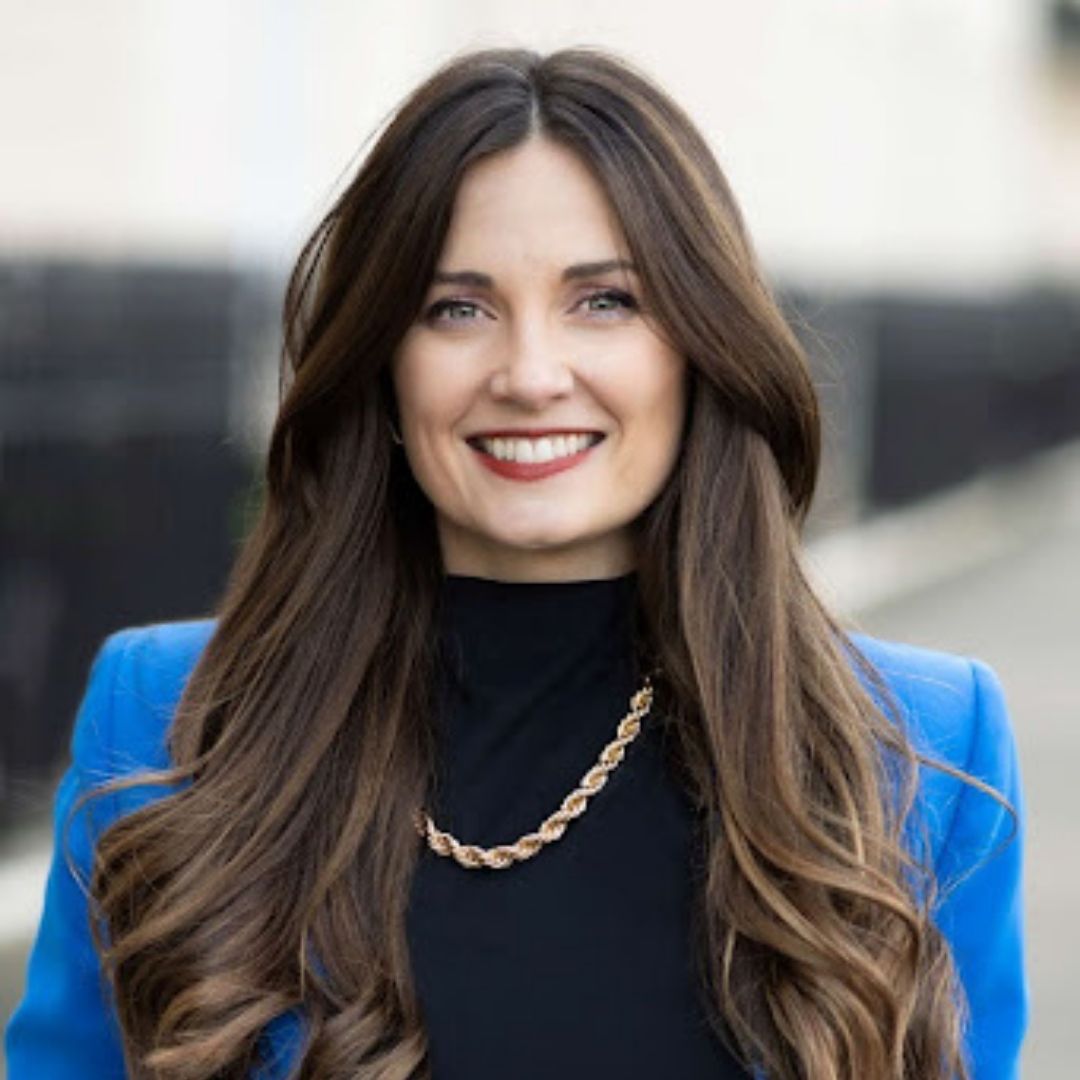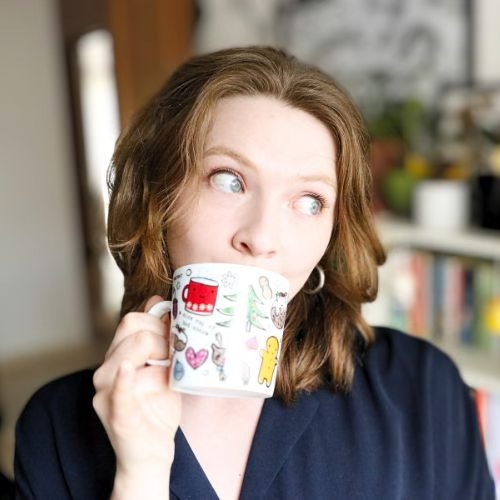
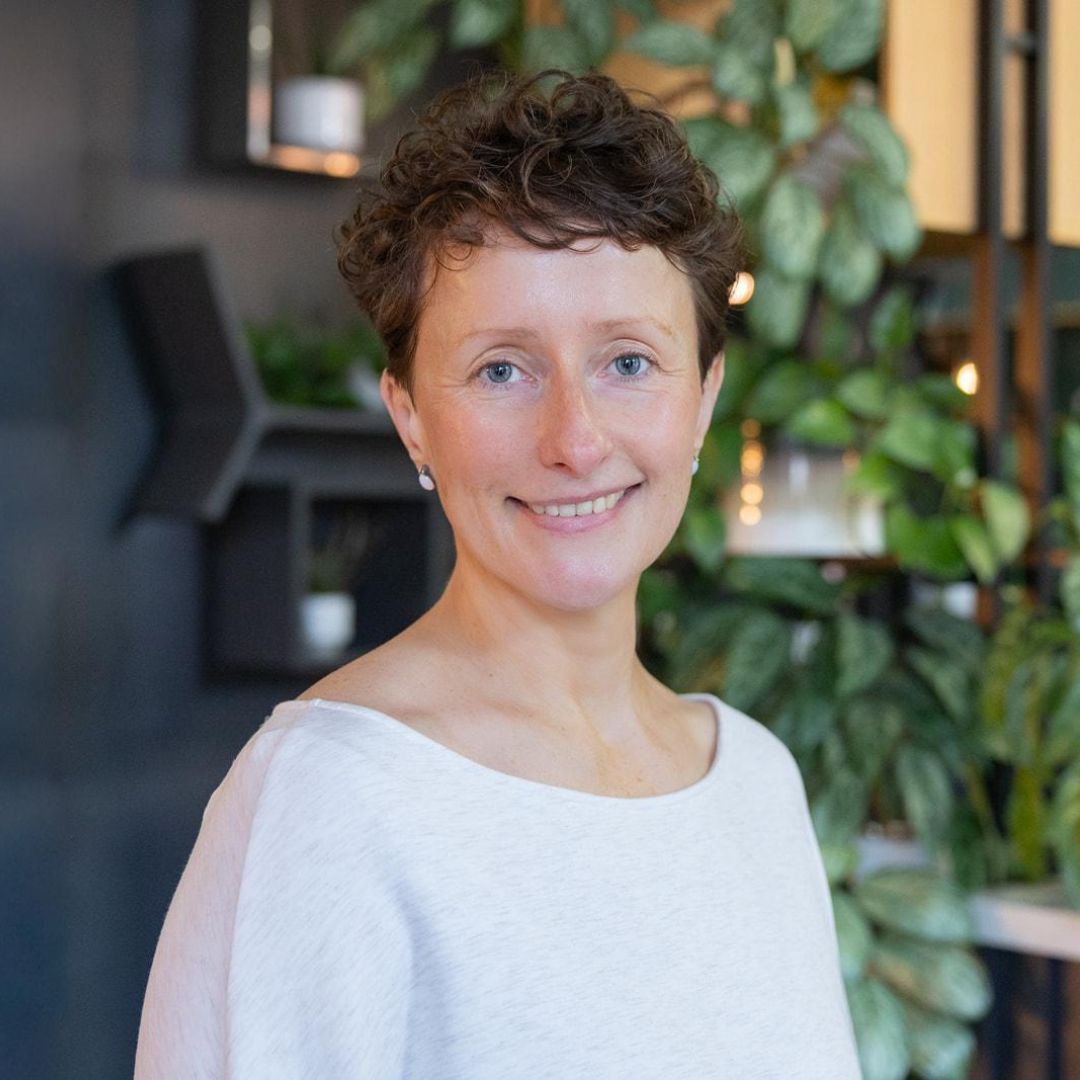
I'm Auste Mickunaite, and I run Moving Fox Osteopathy in Crystal Palace, South London. I help active adults recover from pain and get back to the activities they love through movement-focused osteopathy, combining hands-on treatment with functional movement work informed by my background in dance and Pilates.
I don't just treat symptoms. I help clients understand how their body moves, why pain appears, and what they can do to prevent it coming back. My approach integrates osteopathic manual therapy with guided movement, tailored to each person's goals, lifestyle, and movement history.
Before qualifying as an osteopath, I was deeply involved in dance and movement. I trained in ballet and contemporary for over ten years and have been teaching Pilates since 2013. Over time I noticed many movement clients struggled with persistent pain and injuries that traditional treatment wasn't fully resolving.
That sparked my interest in musculoskeletal mechanics and manual therapy. After researching different modalities, I committed to the full five-year training to become an osteopath. With Moving Fox Osteopathy, I wanted to offer more than standard hands-on therapy, I wanted to bridge the gap between treatment and sustainable movement, helping people reclaim the forgotten or feared side of movement that gets lost when they're in pain.
I launched Moving Fox Osteopathy while completing my osteopathy training, keeping my Pilates teaching and building my network. Once qualified, I slowly transitioned into offering osteopathic consultations in South London.
I was lucky to find a local clinic space in Crystal Palace. The Little Escape Therapy Centre is more than a clinic, it’s a hub and community of wonderful and talented practitioners that deliver a wide variety of therapies. That helped me reach clients already seeking osteopathy and movement solutions. Over months, client referrals brought more people seeking help for pain or injuries, while my mentor at the Little Escape provided invaluable support and guidance.
One early challenge was helping clients see movement as essential to recovery, not optional homework. Some expected a more passive approach, the "lie down and be fixed" model of traditional osteopathy. I learned to present movement work as integral from day one, with clear explanations of how it accelerates results and creates lasting change.
Pricing was another learning curve, especially in an industry where practitioners are typically paid by the hour. I realised I was spending significant time outside sessions researching evidence-based rehabilitation protocols and designing individualised movement plans, work that goes well beyond a standard osteopathy session. Acknowledging this allowed me to price appropriately for the depth of care I provide. Learning to communicate this value clearly has been crucial, and it's something I continue to refine as my practice evolves.
Moving Fox Osteopathy stands apart in five key ways:
Most of my growth has come from three sources: educational content, word of mouth, and local visibility.
Short videos explaining movement principles or common pain patterns (on Instagram and YouTube) build more trust than promotional posts ever could. When someone sees me break down why their shoulder hurts or how breathing affects back pain, they understand my approach before booking.
Word of mouth drives the majority of bookings. When clients get back to climbing, running, or simply working pain-free, they tell others.
Local presence matters too. I've focused on being visible specifically in Crystal Palace through Google My Business optimisation, local directories, and community movement classes. Working through The Little Escape also gave me immediate access to clients already invested in holistic care.
Start before I felt “ready”: I put enormous pressure on myself to be excellent from day one, which delayed launching and sapped confidence. In reality, clinical skills and business confidence grow through doing, not through endless preparation. I'd tell my younger self: start lean, learn from real clients, and be less self-critical about the inevitable early awkwardness.
Build a referral network sooner. I'd actively connect with complementary practitioners, nutritionists, mental health professionals, strength coaches, from the start. Cross-referrals benefit clients and create a professional support system when you're working solo.
I'm focused on improving the quality and consistency of direct referrals by deepening the quality of care. This means better follow-up systems, outcome tracking, and building referral relationships with complementary practitioners in Crystal Palace and beyond.
I'm developing a structured therapeutic program targeting most commonly presenting pain patterns: shoulder/neck pain from desk work, breathing dysfunction from stress and sedentary lifestyles, and age-related tendon changes. This will start as personalised one-to-one work, with the potential to scale into self-care online resources once I've refined what actually works.
Moving Fox Osteopathy offers a unique, integrated approach. Instead of just hands-on treatment, your sessions combine osteopathic manual therapy with functional movement work. This is designed to not only address your symptoms but also to help you understand your body, prevent pain from returning, and feel empowered to manage your own health confidently.
Yes, the approach is particularly helpful for active adults looking to recover from pain or injury and return to the activities they enjoy. Treatment plans are highly individualised, taking into account your specific goals, lifestyle, and movement history to create a plan that works for you, rather than using a one-size-fits-all protocol.
This is a common concern, and the approach is designed to be supportive. Movement is introduced as a core part of your recovery from the very beginning, with clear explanations of how it helps. Based on client feedback, the number of exercises is kept manageable, and you might even receive video clips to help you between sessions. The goal is progress, not perfection.
The practice is run by Auste Mickunaite. Her background is unique, with over ten years of training in dance and extensive experience as a Pilates teacher since 2013. This deep knowledge of movement informs her osteopathic practice, allowing her to bridge the gap between passive treatment and sustainable, active recovery.