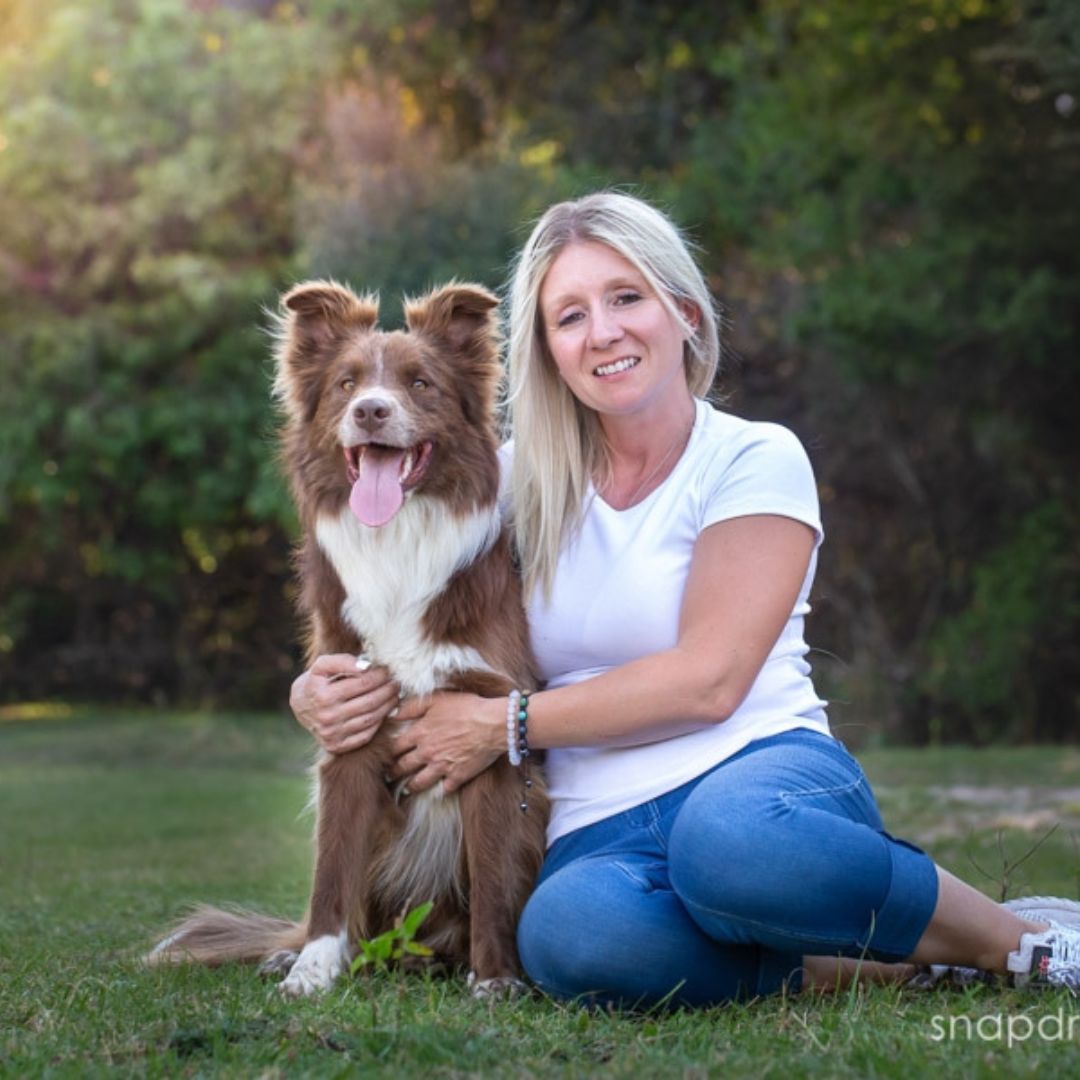
I'm Chantal Karyta, founder of CK9 Training, based in Surrey in the UK, and I specialise in helping dogs and their owners overcome separation anxiety. Through our membership and coaching programmes, we provide:
In addition to separation anxiety work, CK9 Training also offers general behaviour consultations, puppy and dog classes, one-to-one training, and workshops in the Surrey area and online.
I've always loved working with dogs. Before starting CK9 in 2009 I worked in boarding kennels, rescue centres and in established behaviour training centres in Surrey. My academic background (BSc in Psychology) and a diploma in companion animal behaviour counselling underpin my approach. Over time I became particularly drawn to separation anxiety, because it is heartbreaking for owners and dogs alike, but with the right approach, progress is possible.
I wanted to design a structured system (a membership programme) so owners worldwide could get consistent guidance, rather than piecemeal advice. The membership format lets me combine custom plans with community and ongoing support.
In the early years, I ran in-person classes and behaviour consultations across Surrey, including Ewell, Banstead, Headley, and other local venues. As online tools and remote consultations became more widely accepted, particularly during the 2020 lockdowns. I expanded into virtual behaviour coaching and launched an online membership focused on separation anxiety. Working with a web developer, I built a secure client portal that provides access to personalised training plans, progress tracking, and messaging support. This system allowed me to scale beyond my local area and deliver separation anxiety coaching to clients around the world.
One challenge was how to standardise yet personalise: each dog's anxiety triggers are different. To address that, I built a diagnostic assessment step (60-minute intake) that guides how I tailor weekly plans. I also found clients often feel overwhelmed by technical language, so I simplified communication, breaking down training steps clearly, teaching body language in digestible modules, and offering emotional support for the owners.
Another early hurdle was maintaining service when client numbers grew. I trained a small team under my mentorship so they could deliver consistent support and workshops, expanding reach without compromising quality.
Over time I've had clients not just in Surrey but across the UK and internationally. The membership model has made that possible. Many dog owners elsewhere appreciate having an expert on hand via video rather than travelling.
Locally, I still run:
These take place in venues like Hengest Farm, Ewell and Headley.
My most effective marketing content is educational and supportive. I post tips, short videos and case studies on Facebook, Instagram, Twitter and YouTube. These often show one behaviour change or "aha moment" that people can genuinely relate to.
I also run Facebook live sessions and free webinars on separation anxiety, those draw engaged audiences who later become members.
A YouTube interview I joined ("Separation Anxiety With Chantal Karyta") helped boost visibility and gave prospective clients a way to hear me explain my philosophy.
At Pro Trainer, I go beyond generic dog training by teaching owners how to interpret their dog’s body language, design tailored desensitisation plans, and manage stress triggers effectively. Each client receives a structured weekly plan with five targeted exercises or tasks, two video consultations per week, one-to-one WhatsApp support, and access to a private Facebook group. This combination of structure, live check-ins, and ongoing guidance helps clients build confidence and achieve steady progress. In addition to working directly with owners, I also mentor other trainers at CK9 to maintain consistent delivery standards across the team. My approach blends deep behavioural understanding with practical emotional support, especially in cases involving separation anxiety.
For other founders in pet services, a few key lessons stand out. Don’t underestimate how much emotional support owners need when managing a dog’s anxieties, technical plans help, but empathy and encouragement are what make clients stay committed. Start with one clear specialty, as I did with separation anxiety, rather than trying to cover all behaviour issues; it’s the fastest way to build authority. Create a strong feedback loop by asking every client which parts of your process were most challenging so you can refine them. Finally, investing early in your systems, client portals, dashboards, and messaging tools make a huge difference in maintaining scale, quality, and consistency.
If I had the chance again, I'd bring my trainer team in earlier into product development. Their field insights would have refined my membership structure sooner. I would also have built a content library (videos, worksheets) from day one, instead of ad-hoc.
I'd also formalise onboarding: a welcome pack or video walkthrough to ease members into the process.
I plan to expand the membership by adding new modules covering topics such as reactivity, puppy separation, and multi-dog households, alongside a richer video library and additional mini-courses. Locally, I aim to open more in-person workshop hubs across Surrey and nearby counties, giving members opportunities to meet and socialise their dogs under guided supervision. I also intend to partner with boarding kennels and pet care providers to integrate structured support for dogs with separation anxiety throughout their wider care network.